
Can You Put Fresh Flowers in the Fridge? What You Need to Know
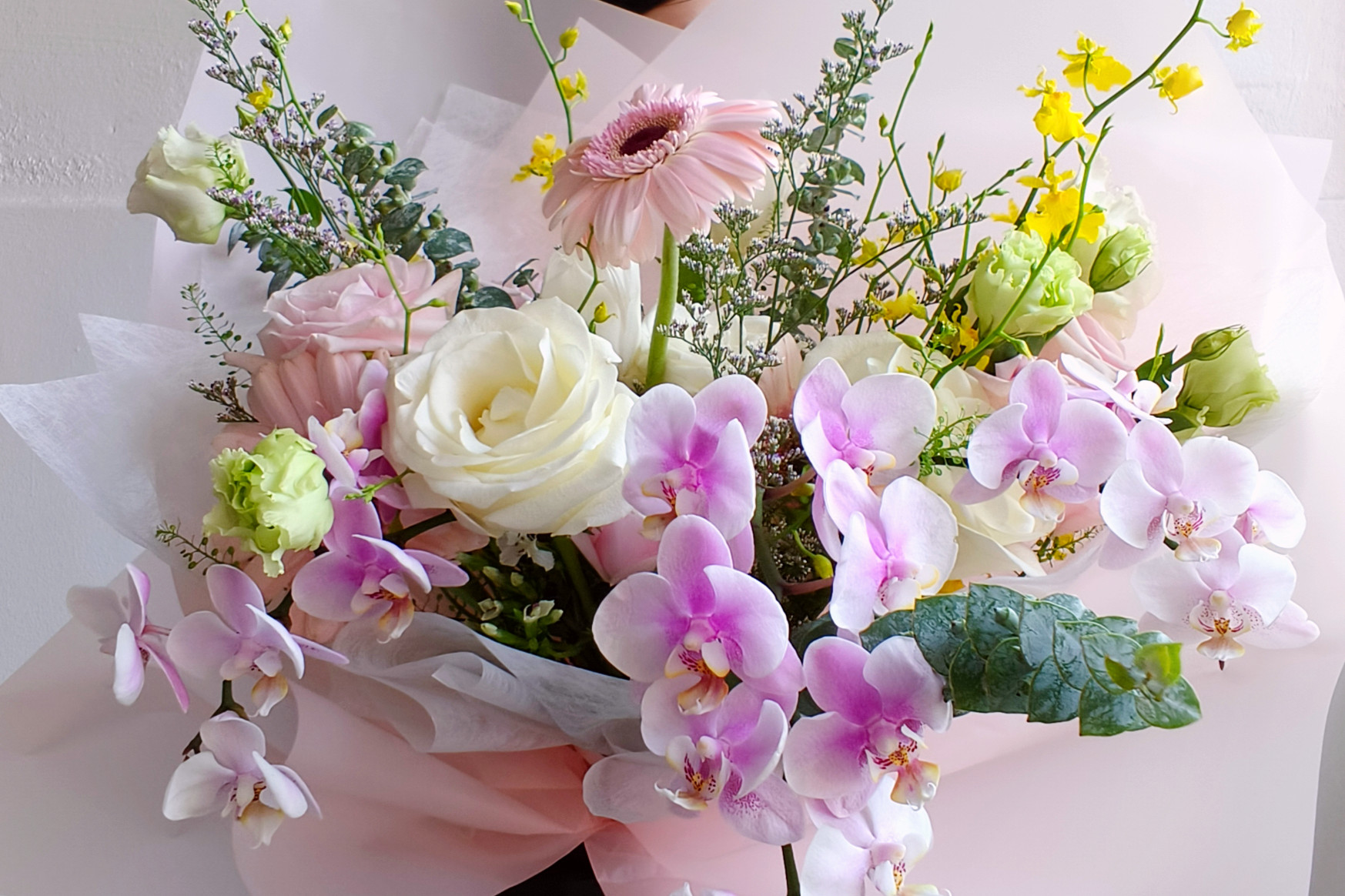
Can putting fresh flowers in the fridge really help them last longer?
It's an understandable idea. We know that florists keep flowers cool, and we know that refrigeration can help slow down the ageing of many fresh products. So it seems logical that putting a bouquet in your household refrigerator might give it a little extra time.
But keeping flowers fresh isn't quite as simple as keeping them cold.
Different flowers have different temperature requirements, and factors such as humidity, airflow and ethylene can also affect how they behave after they're cut.
So while refrigeration can be useful for some flowers under the right conditions, your household fridge isn't necessarily the flower-friendly environment you might expect.
Why We Think Cold = Better for Flowers
There's a good reason the fridge idea seems to make sense.
Once flowers are cut, they continue to age. Cooler temperatures can slow some of the processes associated with ageing and help reduce water loss, which is why professional florists use carefully controlled refrigeration as part of their flower-care routine.
So the basic idea isn't completely wrong: cooler conditions can help certain flowers last longer.
The important part is that flowers don't simply need to be "cold". They need the right temperature and environment for the particular flowers being stored.
That's where professional flower storage and your household refrigerator start to look very different.
A Florist's Cooler Isn't the Same as Your Kitchen Fridge
You may have seen florists storing flowers in large refrigerated coolers and wondered, "Isn't that just a really big fridge?"
Not quite.
Professional flower coolers are designed specifically for storing cut flowers. Temperature, humidity and airflow can all be managed to create conditions that help flowers stay fresh for longer.
Your kitchen refrigerator has a different purpose. It's designed to store food, so its environment isn't necessarily set up with the needs of cut flowers in mind.
That doesn't mean a household fridge can never be useful for flowers. It simply means that keeping flowers cold isn't the whole picture — the conditions around them matter too.

The Problem With Fruit: Ethylene and Your Flowers
Here's something you might not expect: your fruit can affect your flowers.
Some fruits and vegetables naturally produce ethylene, a plant hormone involved in the ripening and ageing of plants. Ethylene can affect some cut flowers and may speed up ageing in certain blooms.
This is one reason florists take care when storing flowers and keep them away from sources of ethylene.
Your household refrigerator may contain some of those sources, particularly ripening fruit. For flowers that are sensitive to ethylene, keeping them away from ripening produce is a sensible precaution.
So while a cooler environment can benefit flowers, temperature isn't the only thing to consider.
It's a little counterintuitive, but cold doesn't automatically cancel out everything else going on around your flowers.

Flowers Can Be Sensitive to Cold
Another reason refrigeration isn't a one-size-fits-all solution is that not all flowers respond to cold in the same way.
Some flowers tolerate very cool conditions well, while others are more sensitive to low temperatures. If a cold-sensitive flower is exposed to temperatures that are too low for too long, it can suffer damage that may only become noticeable after the flower is brought back into a warmer environment.
This is one reason professional flower storage isn't simply about making a room as cold as possible. Florists need to consider the type of flower, how it has been handled and the conditions it needs to stay healthy.
So when it comes to refrigeration, colder isn't always better. The right temperature depends on the flowers you're storing and the conditions they're being kept in.
Why Your Fridge Isn't Designed for Flowers
A household refrigerator isn't designed for storing cut flowers, even though refrigeration can be useful for flowers under the right conditions.
Think about what happens inside your fridge: the door opens and closes throughout the day, food is constantly being moved around, and different areas can have different conditions. Delicate flowers can also be knocked, bent or squeezed between other items.
A professional flower cooler is designed to manage these conditions more carefully, with appropriate humidity and airflow alongside temperature control. Your kitchen fridge simply has a different job.
So, Should You Put Your Bouquet in the Fridge?
The answer is: sometimes. It depends on the flower and the conditions.
Some cut flowers can tolerate or benefit from short periods of cool storage, but not every flower tolerates cold equally well, and a household fridge doesn't provide the controlled conditions used for professional flower storage.
If you do choose to refrigerate your flowers, keep them away from ripening fruit and vegetables, make sure they won't be crushed or damaged by other items, and avoid refrigerating flowers that are sensitive to cold.
For everyday flower care, refrigeration usually isn't necessary. A suitable spot at home — away from direct sunlight, heat and ripening produce — is often all your bouquet needs.
The important thing isn't simply finding the coldest place for your flowers. It's finding an environment that suits the flowers you have.
Cool Doesn't Always Mean Better
Keeping flowers fresh isn't simply about finding the coldest place for them.
Cool can help, but the right conditions matter more than simply being cold. Understanding what your particular flowers need is what will help you give them the best chance of lasting well.


