
How Different Cut Flowers Behave: What to Expect From Your Bouquet
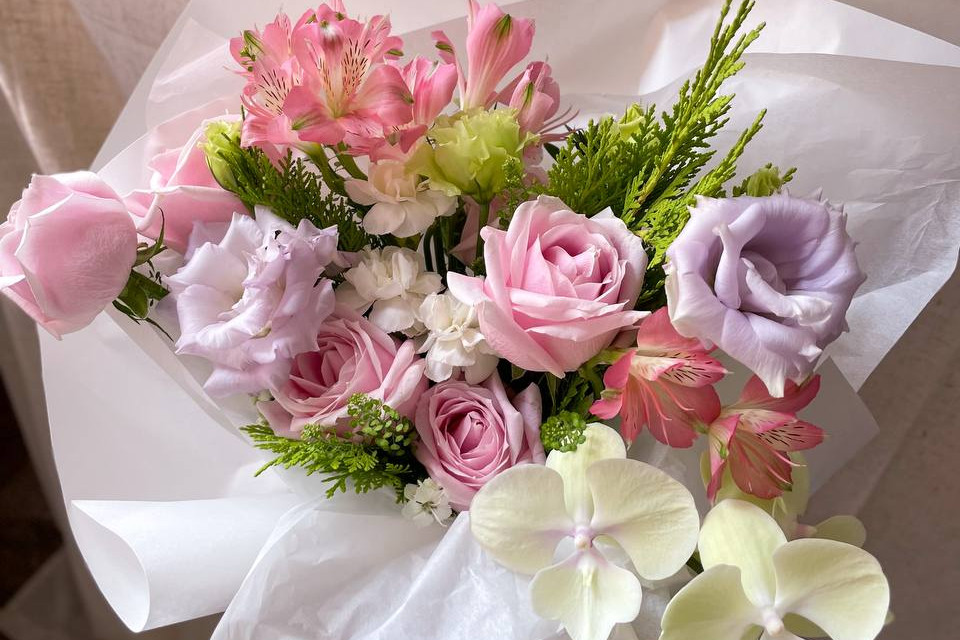
Not all flowers behave the same way once they're cut.
Some continue to grow in the vase, some are especially thirsty, and others take their time opening. While the basic principles of flower care remain the same, understanding these little differences can help you know what to expect from your blooms.
Here are a few common examples you'll often come across in bouquets and arrangements.
1. Roses — classic, but sometimes a little fussy
Roses are one of the most familiar cut flowers, but they can sometimes be a little particular about water uptake.
If you've ever seen a rose suddenly droop at the neck while the rest of the flower still looks relatively fresh, you've probably encountered what florists call "bent neck." Certain rose varieties are more prone to this than others.
The good news is that the basics still matter most: a clean vase, clean water and a fresh stem cut can all help your roses stay hydrated.
So if your roses start looking a little dramatic, don't immediately assume they're finished. 🌹
2. Tulips — the flowers that keep growing
Tulips are a little different from many other cut flowers because their stems can continue to elongate after they've been harvested and placed in a vase. In fact, they can grow several centimetres over the course of their vase life.
That's why you might find your tulips looking noticeably taller or bending in a different direction a few days after you bring them home. They're not necessarily wilting — they're still growing.
Tulips also naturally respond to light, so don't be surprised if they gradually lean or curve towards the brightest part of the room.
A tulip bouquet isn't static — part of its charm is watching it change. 🌷
3. Hydrangeas — the thirsty ones
Hydrangeas are known for being particularly sensitive to water stress. Their large flower heads can lose moisture quickly, and their vase life is closely linked to their ability to keep taking up water.
So if a hydrangea starts looking a little droopy, it doesn't necessarily mean it's at the end of its life. It may simply be struggling to stay hydrated.
This is one reason why keeping the vase water fresh and making sure the stems can take up water properly is especially important with hydrangeas.
Think of them as the thirsty ones of the flower world. 💧

4. Lilies — let them open
Lilies are another flower that can change quite dramatically over their vase life. When you first receive them, some of the buds may still be closed — and that's completely normal.
Cut lilies are often harvested with buds at different stages of development, allowing them to continue opening after they reach your home. Depending on the variety and conditions, this can give you a bouquet that looks quite different a few days later.
One thing to watch out for once the flowers open is their pollen. The orange or yellow anthers can shed pollen that stains clothing, furniture and other surfaces, so they are often removed as the blooms open.
So don't worry if your lilies look a little unfinished on day one — some of the beauty is still to come. 🌸
Some Flowers Are Simply Built to Last
Some flowers are naturally better at sticking around than others.
Carnations, chrysanthemums and alstroemeria are often valued for their staying power, which is one reason you'll find them in so many bouquets and floral arrangements. Their sturdy nature means they tend to hold up well in a vase, even as more delicate flowers around them begin to fade.
That doesn't mean they're maintenance-free — clean water, a clean vase and a comfortable environment still matter. It simply means that different flowers have different natural vase lives.
So if some stems in your bouquet are still looking fresh while others are starting to fade, don't worry. It doesn't necessarily mean you've done anything wrong. Sometimes, it's simply the nature of the flowers themselves.
Flowers Don't All Age in the Same Way
One of the easiest ways to understand cut flowers is to remember that they don't all age in the same way.
Some flowers keep growing after they've been cut. Some take their time to open. Others are more sensitive to dehydration, while hardier varieties can stay looking fresh for much longer.
That means your bouquet may look quite different after a few days — and that's not necessarily a bad thing.
A tulip might stretch and bend, a lily might finally open, or one flower might begin to fade while another still looks almost exactly as it did on day one.
Flowers are changing throughout their vase life. Understanding those natural differences can help you appreciate the journey of your bouquet rather than expecting every stem to look the same from beginning to end.
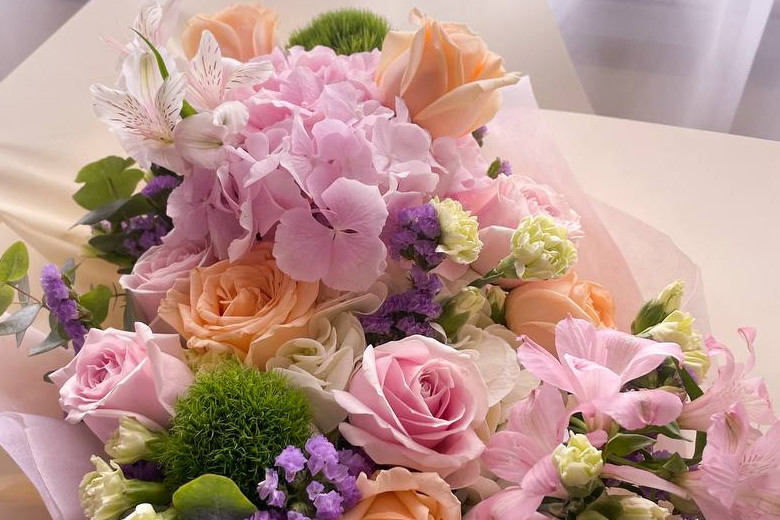
The basics of flower care don't change: clean water, a clean vase and a comfortable environment are still your best friends.
But once you understand that every flower has its own characteristics, you'll know what to expect — and you'll be able to appreciate the changes your bouquet goes through along the way.
Flowers don't all behave the same. And honestly, that's part of what makes them so interesting. 🌿


